
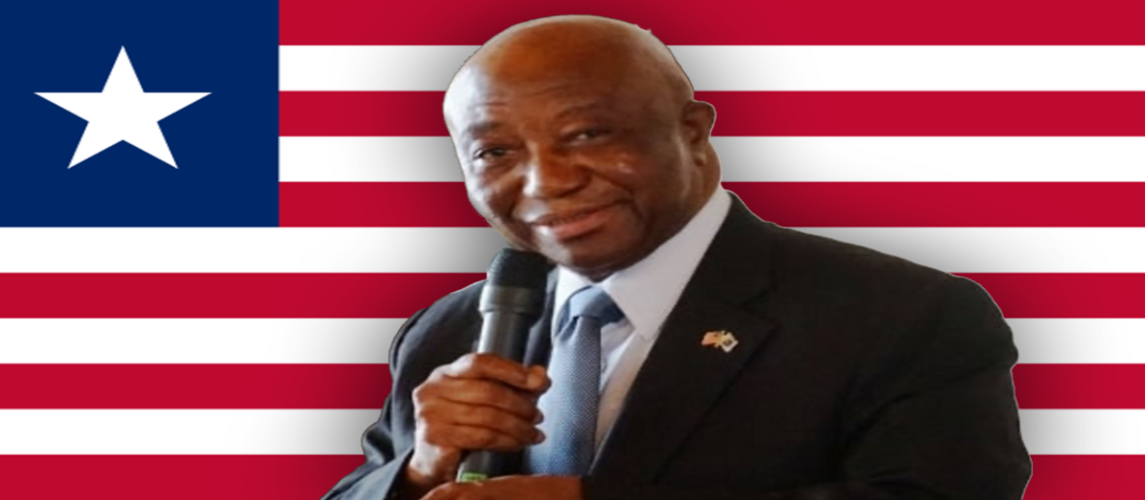
BOAKAI CHAMPIONS LIBERIA'S BIGGEST BUILD: POWER, ROADS AND HOPE FOR EVERY COUNTY
The single most transformative catalyst for the nation’s development in decades has been concluded between the Government of Liberia and Bea Mountain Mining Corporation. This landmark agreement, known as the Master Infrastructure Development Agreement (MIDA), is designed to accelerate industrialization and unlock large-scale job creation.
President Joseph Nyuma Boakai, Sr., accepted from the Interministerial Concession Committee a US$5.7 billion plan that would add 270 megawatts of generating capacity through four new power plants. Three reservoirs capable of holding a combined 10 billion cubic meters of water would support hydropower generation, while three major transmission lines and grid upgrades would help deliver electricity to homes, hospitals and businesses across Liberia.
This historic intervention marks a bold new era of economic modernization for the Liberian people by removing two of the most vexing constraints on our development. By establishing critical infrastructure that strengthens national capacity and attracts global investment, the agreement lays a lasting foundation for positioning Liberia to significantly benefit from emerging investment and trade opportunities based on its rich mineral deposits and strategic location.
The MIDA provides for 270 megawatts of new generating capacity. The plan includes a 100-megawatt hydropower plant on the Via River, two hydropower plants on the St. Paul River with a combined capacity of 110 megawatts, and a 60-megawatt biomass plant. Three planned reservoirs would provide a combined water storage capacity of 10 billion cubic meters.
The agreement also provides that Hydropower would account for 210 megawatts of the planned capacity. The Via River plant and the SP3 plant on the St. Paul River would each have 100 megawatts of installed capacity. A second plant on the St. Paul River, SP4, would add 10 megawatts. A 60-megawatt biomass plant near the Via dam would round out the program and diversify the electricity sources feeding the grid.
To ensure uninterrupted supply of electricity, the three planned reservoirs would store water for hydropower generation. Reservoirs allow operators to hold water when river flows are higher and release it through turbines when flows fall. That flexibility can help sustain generation during drier periods. Actual output will depend on rainfall, river flows, and how the reservoirs and plants are operated.
The agreement also focuses on getting electricity to the communities that need it. A 150-kilometer main transmission line would connect the power plants to the Mount Coffee substation. Another 150-kilometer line would link the Via plant to Nimba County, while a 5-kilometer line would serve Bong County. The Nimba and Bong projects each include a substation. The agreement also allocates US$230 million to reinforce the national grid through upgrades to substations, transformers and transmission infrastructure.
The power plants would generate electricity, the transmission lines would carry it over long distances, and substations and transformers would help move it into the networks that serve customers. More reliable service could help hospitals keep essential equipment running, and businesses reduce interruptions to their operations.
The agreement between the Government of Liberia and Bea Mountain Mining Corporation (BMM) is anchored by the 146-kilometer Liberia Development Road, its flagship highway corridor that aims to link the various power plants to key facility centers. This is aside from a US$1 billion for additional road networks that will crisscross Liberia and connect all regions of the country.
Construction and operation of the projects are expected to create jobs and give Liberians opportunities to develop skills in engineering, construction, and power operations. The program advances the ARREST Agenda for Inclusive Development by directing additional mining revenue toward infrastructure that can help farmers reach more buyers, businesses operate more reliably, and communities gain better access to essential services.
Using innovative financing to reduce Liberia’s debt burden, the Government will set aside additional revenue payable by BMMC, made possible by higher gold prices, to help finance the infrastructure program. BMMC will continue its regular contributions to the Consolidated Account. The agreement targets implementation over five years, with the biomass plant and transmission lines targeted for completion within two years.
After months of negotiations, the Inter Ministerial Concession Committee submitted the agreement to the President. The formal signing is scheduled for Wednesday, 25 November 2026, after which the agreement is to be submitted to the Legislature for consideration.
